LIMS API, ERP & SAP integration
Connect the laboratory to the business around it.
LIMS API and REST API planning for ERP, SAP, accounting and third-party software integration: data ownership, middleware, retries and acceptance.
What matters in practice?
A LIMS API exchanges defined laboratory records with authorised applications. A good third-party integration also needs agreed data ownership, mappings, permissions and a way to reconcile failed or repeated transactions.
LIMS API and REST API LIMS requirements
For a REST-style interface, specify the resources and operations needed: create a request, retrieve status or transfer an authorised result. Request the supported API documentation, authentication scheme, rate limits, version policy and test environment before designing a connection.
We assess API access around the records you need to exchange and the direction of that exchange. Discuss the available operations with our team. A useful interface contract includes field definitions, examples, allowed status transitions and consistent error responses.
ERP integration and SAP integration
An ERP may own material codes, purchase orders and manufacturing batch records while the laboratory owns test execution and approved results. Establish one authoritative source for each shared value.
For SAP integration, identify the actual SAP product, release, relevant objects and authorised interface options. Walk through a material or batch request, laboratory testing and the return of the agreed result or disposition. Direct database writing shouldn’t be substituted for an approved interface simply because it appears convenient.
Accounting system integration
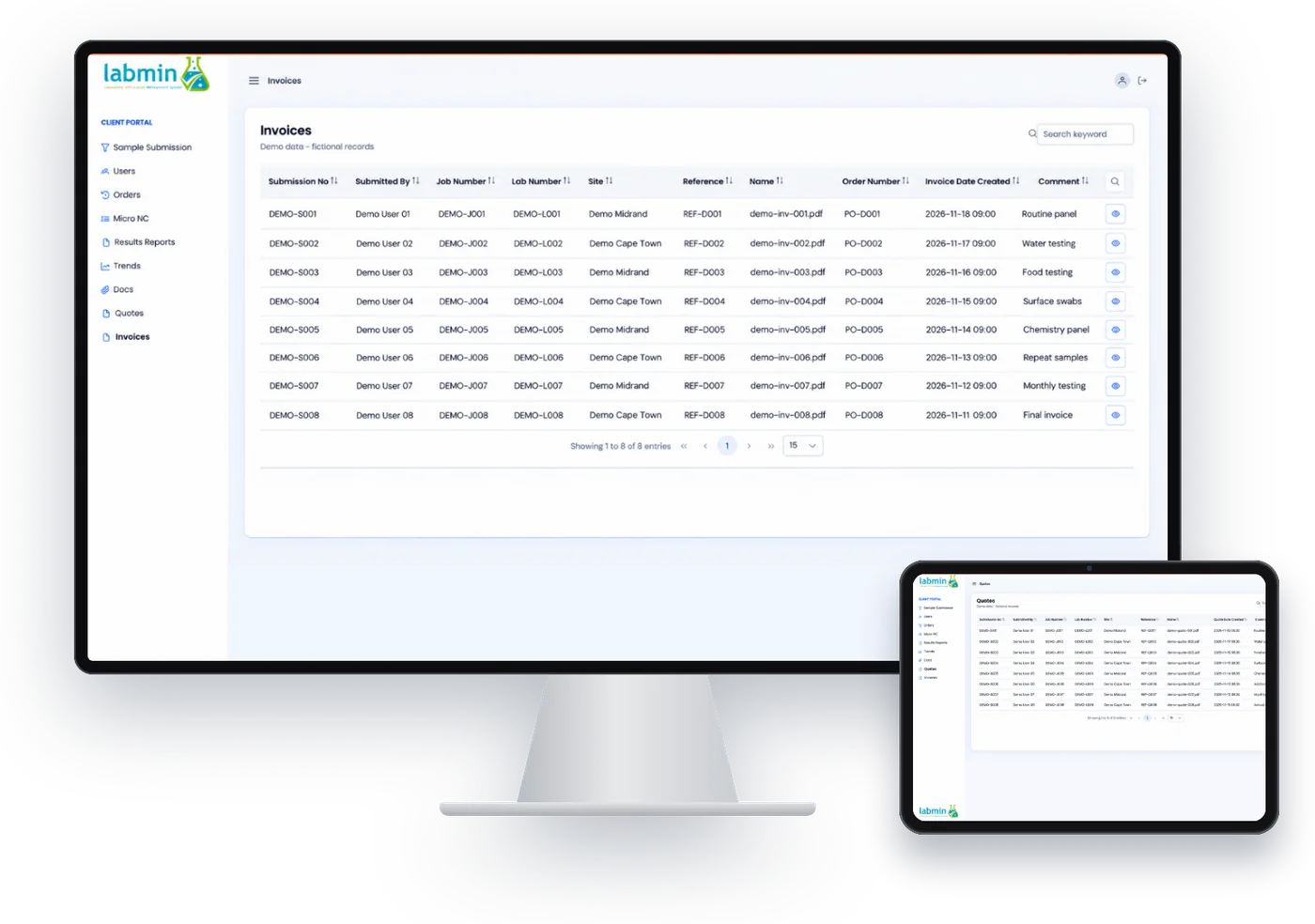
Laboratory invoicing needs more context than an invoice total. Map customer accounts, tax treatment, service codes, currencies and the event that permits an invoice to be created.
Decide whether quotes, invoices, payments or only summary entries are in scope. Define how cancelled work, repeat tests and credit adjustments are handled. Keep the laboratory job reference with each financial transaction so reconciliation doesn’t require manual searching.
Third-party software integration and laboratory middleware
Middleware can transform messages, hold pending transactions and connect systems with different interfaces. It shouldn’t become an undocumented place where clinical or analytical decisions are made.
A workable LIMS integration architecture separates the business rule from the transport. Maintain a correlation ID, retry strategy, duplicate protection and a monitored failure queue. Agree which team updates mappings when either system changes. Test a lost acknowledgement: replay must not create a second sample or invoice.
From proof of connection to proof of workflow
A successful test request establishes connectivity, not readiness for production. Demonstrate permissions, invalid data, unavailable destinations and amended results against agreed acceptance criteria.
For Labmin scoping, bring the third-party vendor’s interface documentation, sample payloads and a named system owner. We can assess the appropriate exchange route and implementation boundaries. Confirm any SAP, accounting or other named connector in the agreed scope rather than assuming it’s standard.
Your planning checklist
Use these points to prepare your team’s discussion. Tick items as you review them; nothing is sent or saved.
Answers before the next step.
Can Labmin integrate with our ERP or accounting system?
It requires an assessment of both systems’ supported interfaces and the exact business workflow. Confirm connector availability, licensing and development scope before procurement.
What makes a LIMS API secure?
Access control at each operation, protected transport, managed credentials, validated inputs and monitored security events. The proposed implementation must be reviewed by your IT team.
References & further reading
Use the source documents for their scope and current requirements. These guides aren’t a substitute for your quality, regulatory or IT assessment.
Where would you like to go next?
A connection is only useful when the record is right.
Understand LIMS instrument integration: balances, RS232, TCP/IP, ASTM, HL7, Modbus, XML and CSV/file-based exchange, middleware and automation.
Explore the guide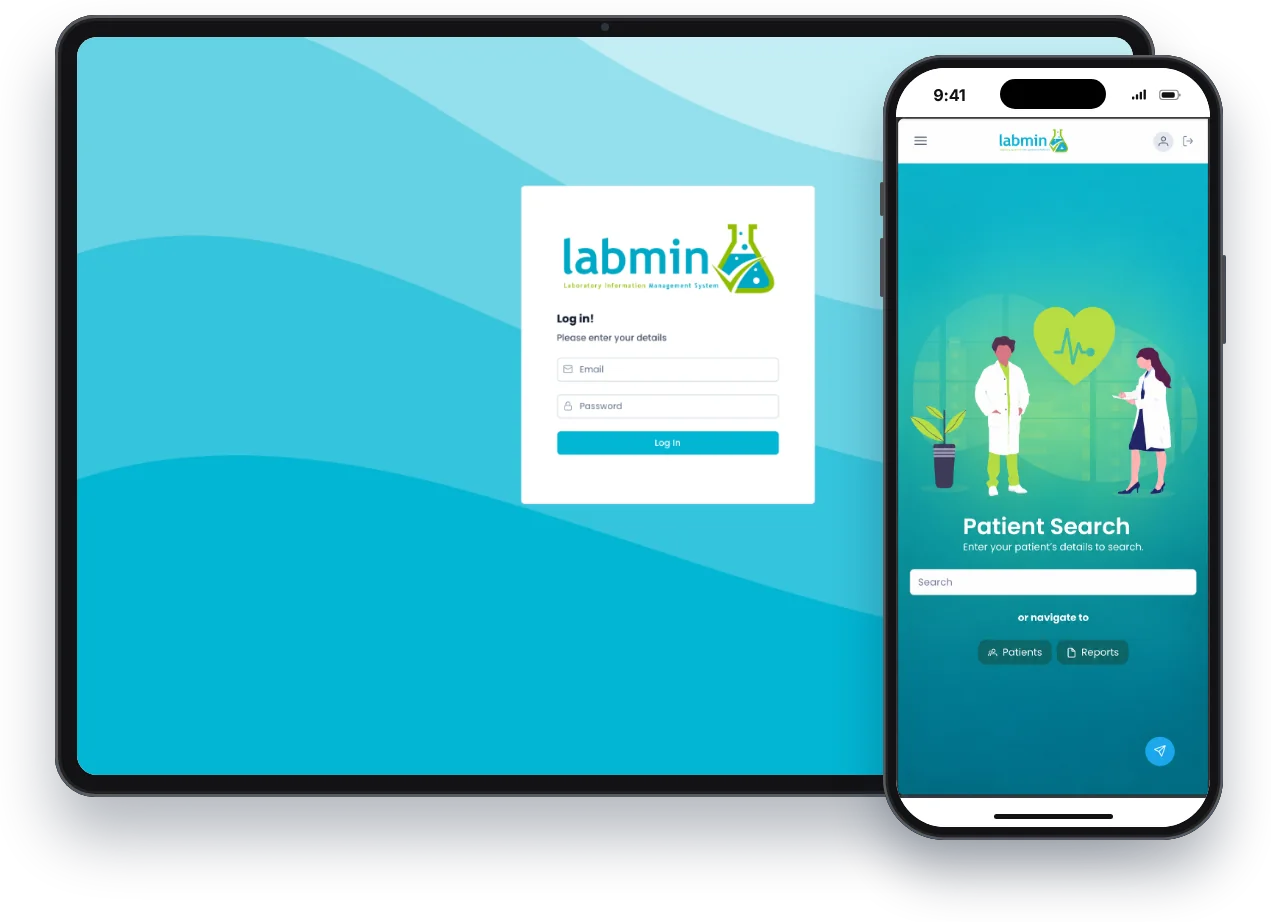
Security belongs in every laboratory handoff.
LIMS security and cybersecurity evaluation: SSO, Active Directory, Entra ID, MFA, role-based access, encryption, audit logging and penetration testing.
Explore the guide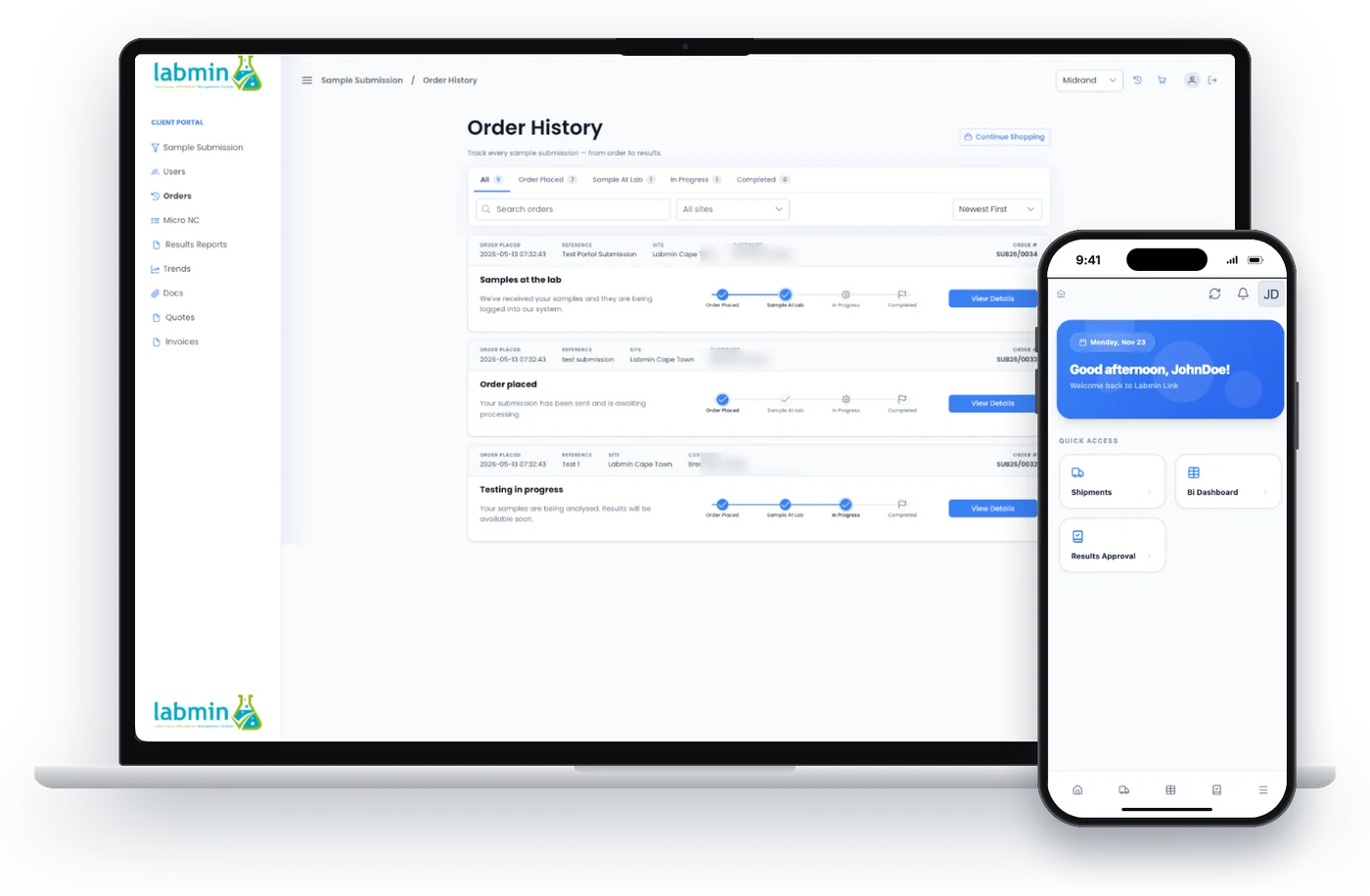
A LIMS rollout starts with the work, not the software.
LIMS implementation process, timeline, data migration from Excel or legacy LIMS, rollout strategy, user training and an implementation checklist.
Explore the guide