LIMS interface protocols
A connection is only useful when the record is right.
Understand LIMS instrument integration: balances, RS232, TCP/IP, ASTM, HL7, Modbus, XML and CSV/file-based exchange, middleware and automation.
What matters in practice?
LIMS instrument integration receives laboratory data, interprets its format, matches it to the right sample and test, and applies acceptance rules. Transport, message format and laboratory workflow are separate parts of the design.
How does instrument integration work?
A typical route is equipment → connection or gateway → parser → sample/test matching → validation → review. An instrument may send a value correctly while the laboratory record is still wrong because the sample ID, analyte or units were misinterpreted.
Laboratory equipment automation should reduce transcription without hiding exceptions. Keep a traceable source message, acceptance status and reviewer action. Laboratory middleware can bridge equipment that can’t communicate directly with the application; it also introduces a component that needs monitoring and ownership.
Balance integration and RS232 laboratory instrument integration
A balance integration can transfer a stable reading and its units from a serial or network interface. Before automating weighing, define which sample is active, how tare and gross values are distinguished and when the reading is accepted.
RS232 is a serial connection, not a universal result format. Obtain baud rate, parity, data bits, stop bits, cable requirements and device command documentation. Test signs, decimal separators, unstable readings and repeated transmissions. A gateway may be required between local equipment and hosted software.
TCP/IP instrument integration and Modbus integration
TCP/IP provides network transport; the instrument’s application protocol still determines how messages are framed and acknowledged. Confirm address, port, connection direction, timeout and reconnection behaviour with laboratory IT.
Modbus commonly exposes numbered registers or device values. A Modbus integration needs a verified register map, data types, scaling and interpretation. A temperature value from a device doesn’t automatically carry a sample identity or represent an approved analytical result. Confirm device and Labmin-side feasibility before committing to this interface.
ASTM vs HL7 integration
Laboratory equipment described as ASTM-compatible may use a vendor-specific implementation of laboratory message conventions. HL7 is a family of healthcare exchange standards; the particular version, message type and local mapping must be named. Neither label guarantees plug-and-play compatibility.
For ASTM integration or HL7 integration, collect message examples and vendor conformance documentation. Agree patient or sample identifiers, tests, units, acknowledgements and amendment handling. Don’t confuse an ASTM analytical test method with an ASTM communication interface.
XML instrument integration and CSV/file-based integration
XML can carry structured named fields; CSV usually carries rows and columns. File-based integration can be a sensible starting point when a device or CDS has a dependable export but no usable live interface.
Define the file schema, encoding, decimal and date formats, identifier mapping and completion signal. Archive the accepted source, prevent duplicate processing and isolate rejected rows. A shared folder needs appropriate access control and an agreed process for incomplete uploads. XML parsers should be hardened against unsafe external entities.
Your planning checklist
Use these points to prepare your team’s discussion. Tick items as you review them; nothing is sent or saved.
Answers before the next step.
Does TCP/IP mean an instrument has an API?
No. It describes network communication. The actual application protocol may be proprietary, serial-like messaging or a documented API.
Can integration be bidirectional?
Potentially, when both systems expose the required interfaces. Work requests and returned results each need matching, acknowledgement and tested failure handling.
References & further reading
Use the source documents for their scope and current requirements. These guides aren’t a substitute for your quality, regulatory or IT assessment.
Where would you like to go next?

Connect HPLC and GC results to the right sample.
HPLC and GC LIMS integration explained, including Chromeleon, Agilent OpenLab and Waters Empower interfaces, worklists and reviewed result transfer.
Explore the guide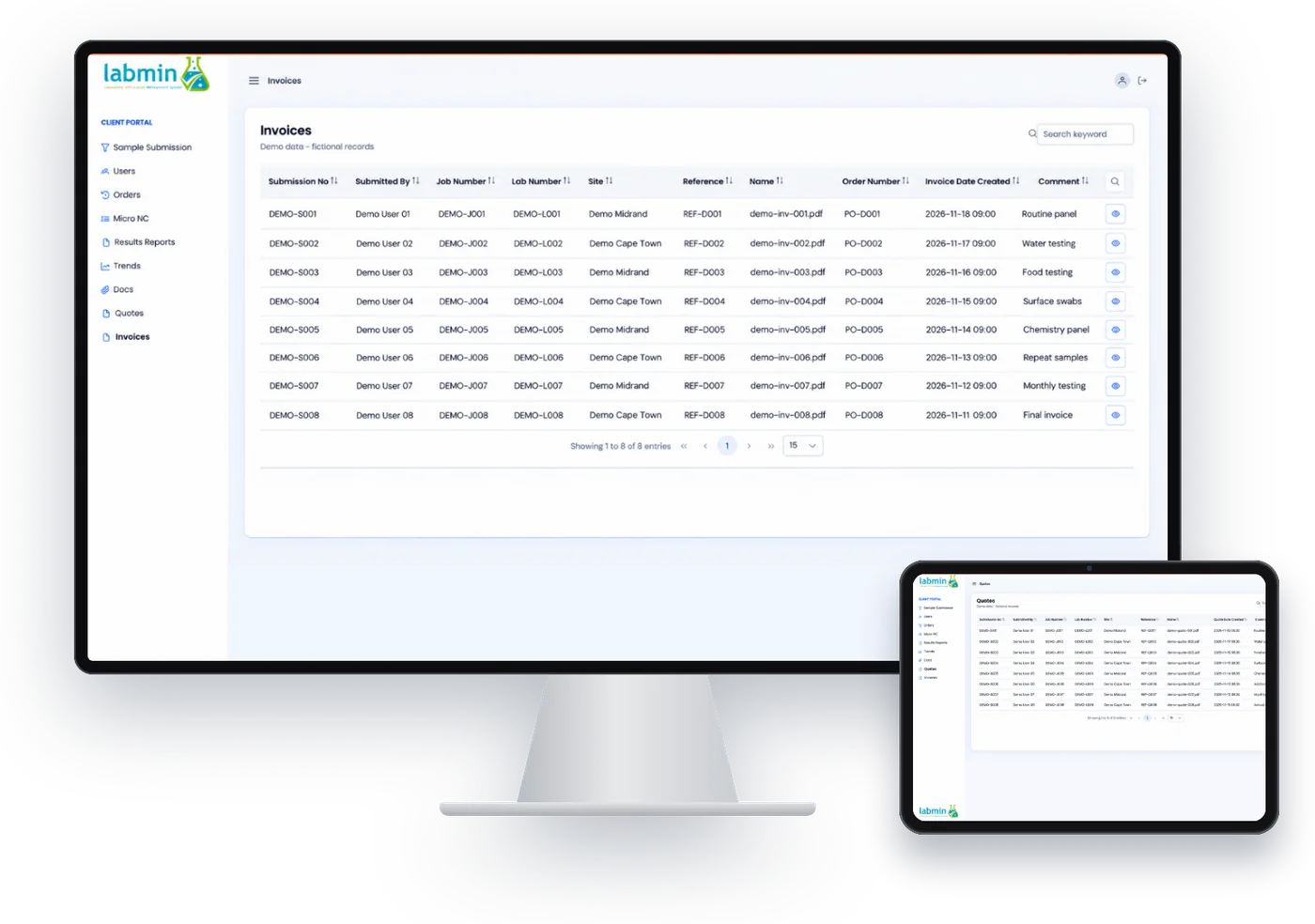
Connect the laboratory to the business around it.
LIMS API and REST API planning for ERP, SAP, accounting and third-party software integration: data ownership, middleware, retries and acceptance.
Explore the guide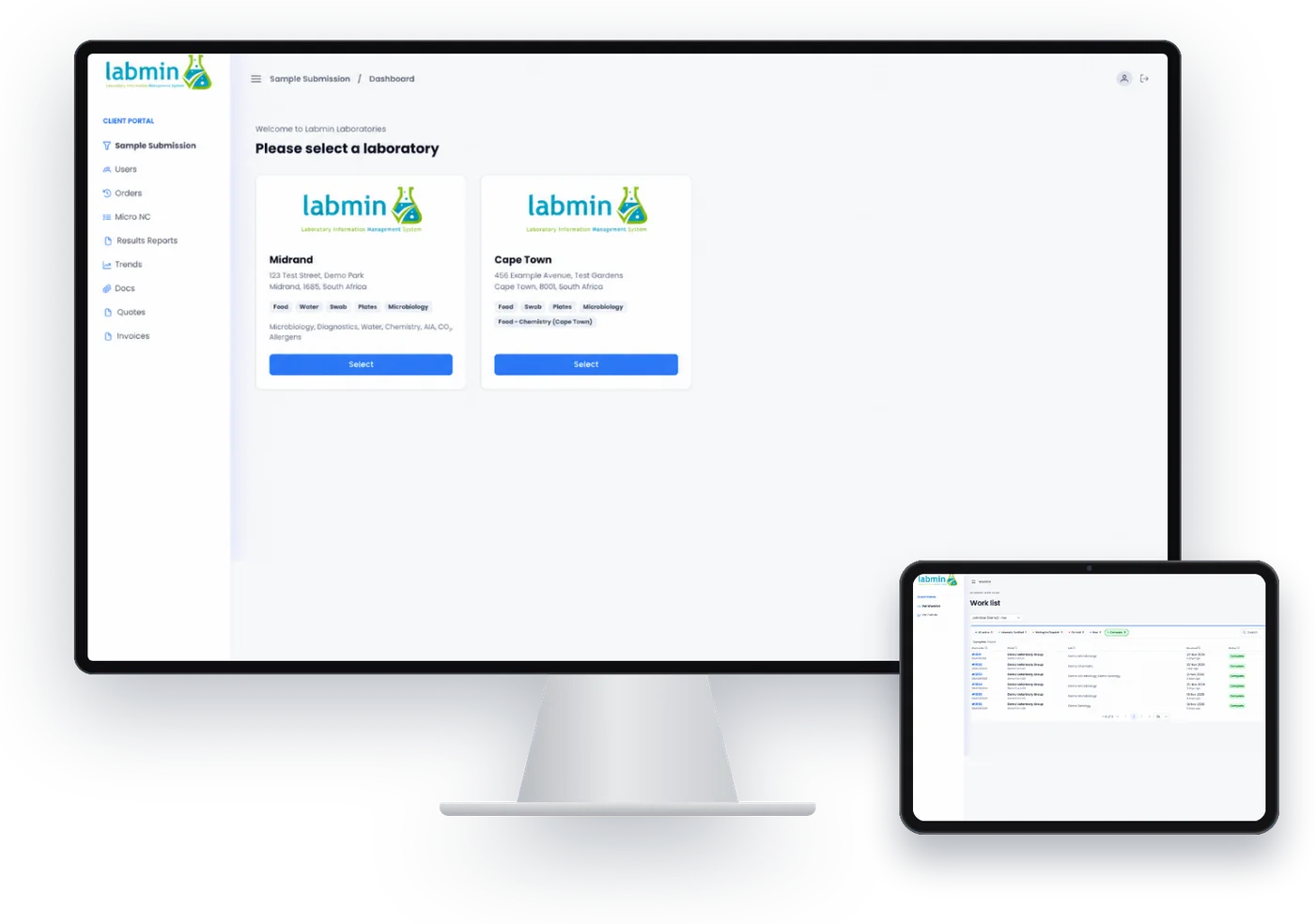
The layers behind a LIMS.
LIMS architecture, cloud and multi-site design, database relationships, instrument gateways and how a LIMS works from request to approved report.
Explore the guide